svc-probe-389e49b816f4
svc-probe-389e49b816f4



This pandemic has brought to light what many people have known for some time: how crucial it is for us to develop social and emotional skills in our kids. What some people have dubbed “soft skills” are in fact foundational building blocks for developing students who can face a constantly changing world.

Beginnings and endings are not finite moments at the start or end of segments of our lives, but instead they are moments of transition that help move us from one stage of our lives to another.

An expert rethinks her blanket objection to giving kids too much time on screens.
Socializing and group activities might be problematic this summer, but there are still plenty of great outdoor activities you can enjoy with your children
Children are social creatures. Spending time with their peers, learning how to navigate personal dynamics and dramas, is an essential part of growing up.
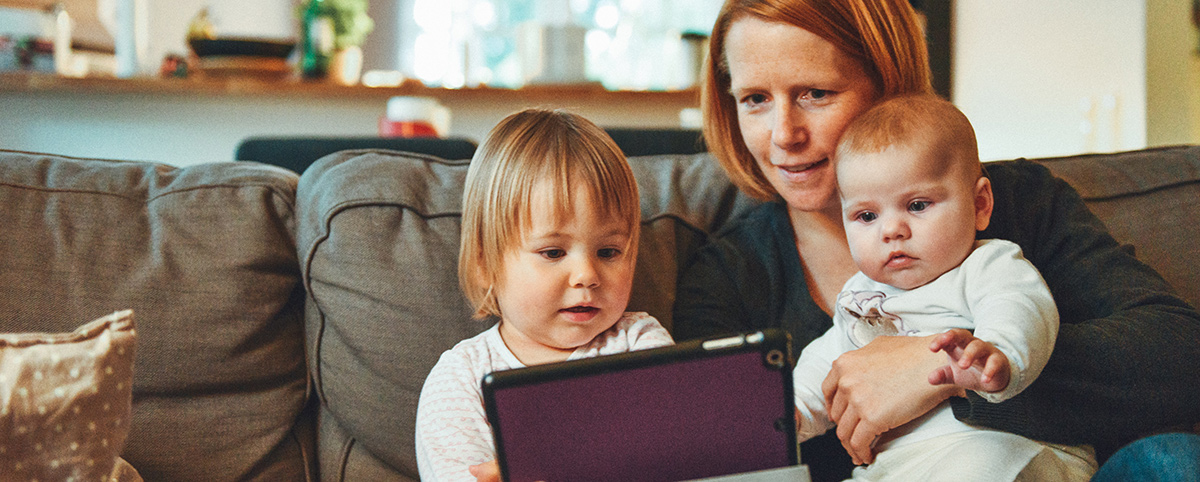
Balancing being both parent and teacher can be stressful. Here are six tips to help you manage stress and ensure that your child is getting as much educational benefit as...
Many parents are finding themselves teaching children at home. Here we share resources and educational activities to keep your children engaged.
Here are some of our favorite activities for preschool kids (and their parents!). Plus, additional resources for keeping your children engaged at home.
April 20, 2020
Many parents are finding themselves teaching children at home. Here we share resources and educational activities to keep your children engaged.
Many parents are finding themselves teaching children at home. Here we share resources and educational activities to keep your children engaged.
Here are some of our favorite activities for preschool kids (and their parents!). Plus, additional resources for keeping your children engaged at home.
Compositive Primary Director of Inquiry Clare Hammoor explores how questions from young people signal both a wondering about the world and a sense of wonder that the everyday world can...
Studies indicate interactive math-based learning apps benefit young children
Heather Mock, Compositive Primary Head of School, shares the lessons she’s learned as a parent about accepting and encouraging your kids to be themselves.
An interview with pediatric occupational therapist Angela Hanscom on TimberNook’s approach to unstructured outdoor play.
Studies show that more people suffer from anxiety today. While we often associate stress and anxiety with adults, children are also affected.
Head of School Heather Mock shares how the Compositive Primary approach to whole child education nurture health and well-being in our children and gives them a say in what they...
As a parent you’re stressed out, worrying that you aren’t doing everything correctly. Here are seven common parenting myths debunked by the WaPo.
By not allowing your kids to learn by failing, you put them at risk for greater failure later in life.

A recent study by Canadian researchers coupled with new guidelines issued by the Word Health Organization have reignited the debate about how much, if any, screen time parents should allow...

If you want to develop your child’s executive functioning skills, ditch the high-tech toys and go old school.
Reading a book over and over can help children improve vocabulary and comprehension.

The air traffic controller of the brain can exhibit signs of deficiency as early as kindergarten and result in learning curves that are difficult to overcome.
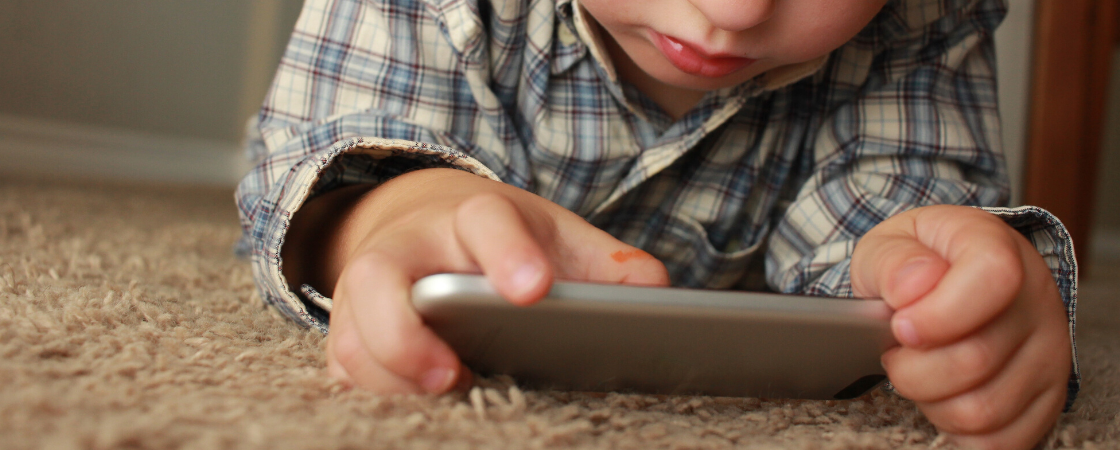
Young children have easy access to smart phones and tablets, but how are these devices affecting their developing brains?
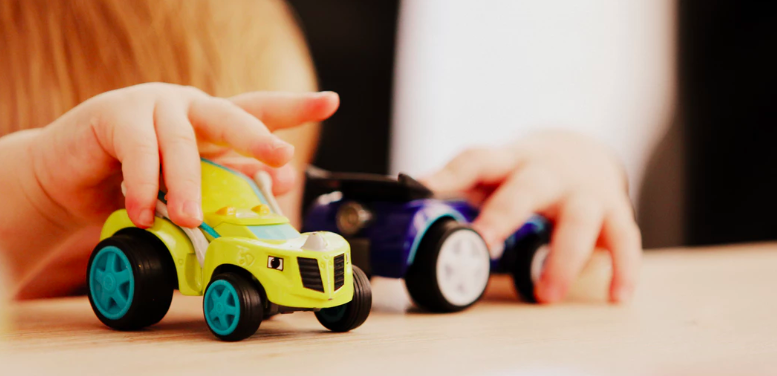
The American Academy of Pediatrics advises parents of young children to go for high-quality traditional toys rather than elaborate digital ones.
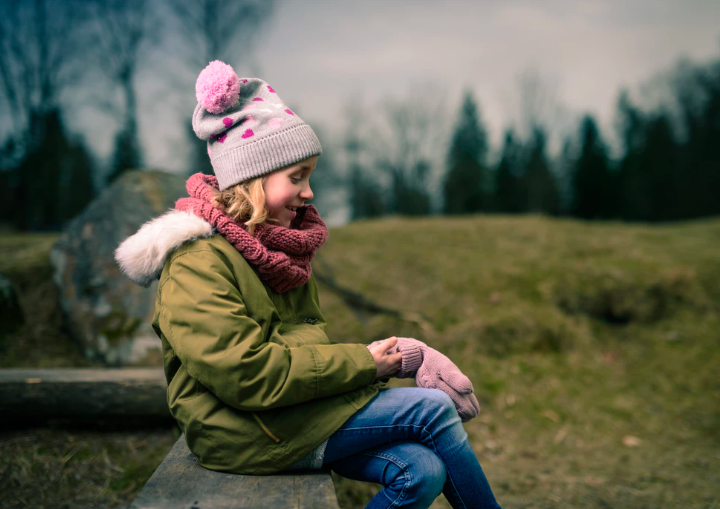
The freedom to move and play outside inspires creativity and improved brain function

Five years ago, psychologists at the Brain and Creativity Institute at the University of Southern California studied how learning music might affect brain development in young children. They used MRIs...
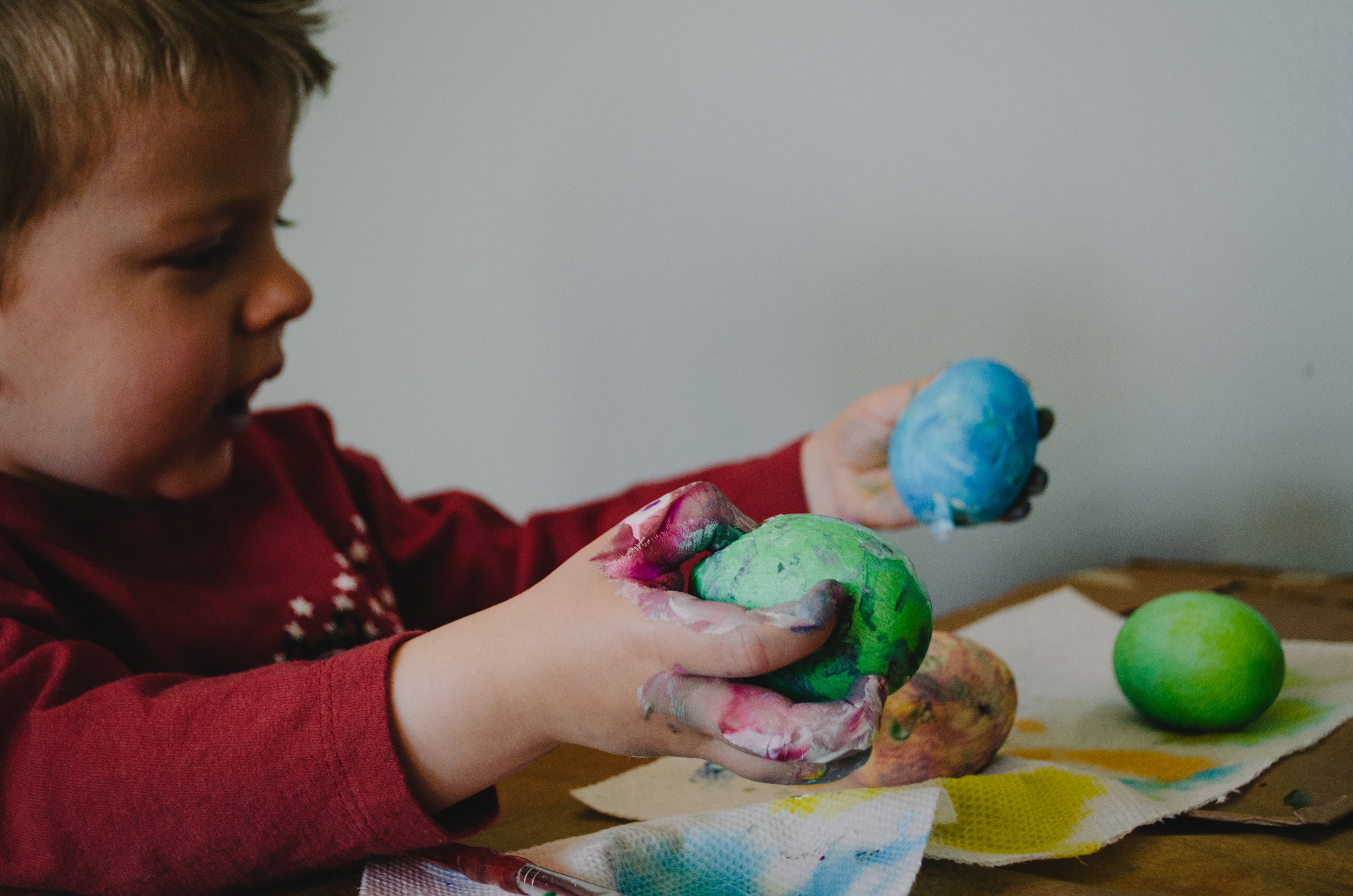
To some of us, the fact that a debate still rages in corners of the education world about whether cognitive development or social-emotional, physical and other needs should take precedence...

Intentional laziness parenting allows children to practice and develop important skills.
Finland performs at or near the top of the Program for International Student Assessment (PISA) exams since the exam came into existence in 2000. PISA tests students every three years and...
The middle school years are a vital developmental stage, during which our children must learn to navigate choppy waters with as little parental interference as possible. Phyllis L. Fagell, a...

When you introduce your children to museums, dance and theater, you’re exposing them to more than just a fun extracurricular activity, you’re introducing them to the world of art, culture...
Free-range parenting, a kind of antidote to the helicopter parenting that has plagued our society for the past couple of decades, has become a fad. But for some parents, it’s...
The Washington Post’s excellent parenting column lays out several strategies for taking the struggle out of homework.
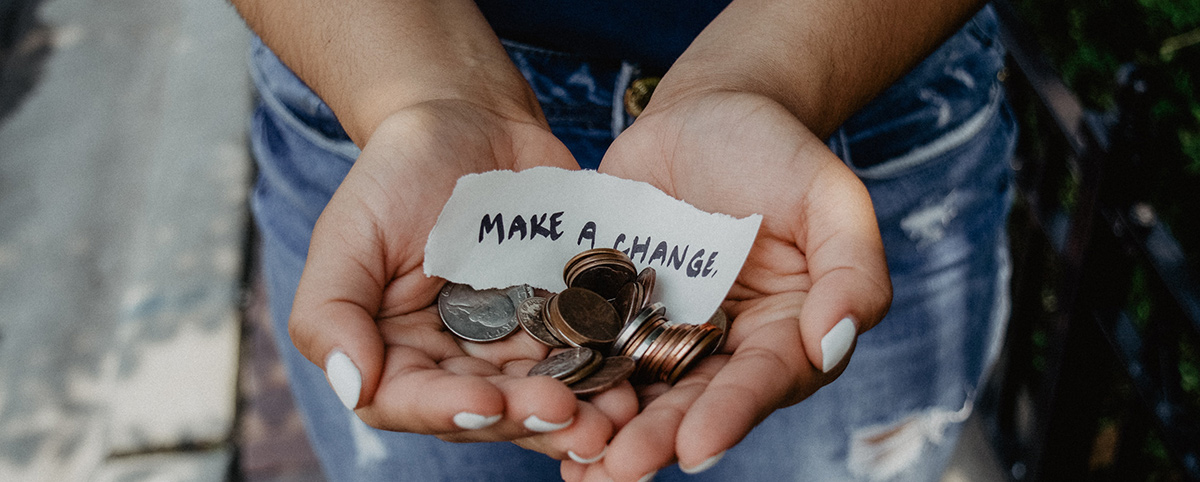
Engaging in philanthropic activity teaches children compassion and empathy.
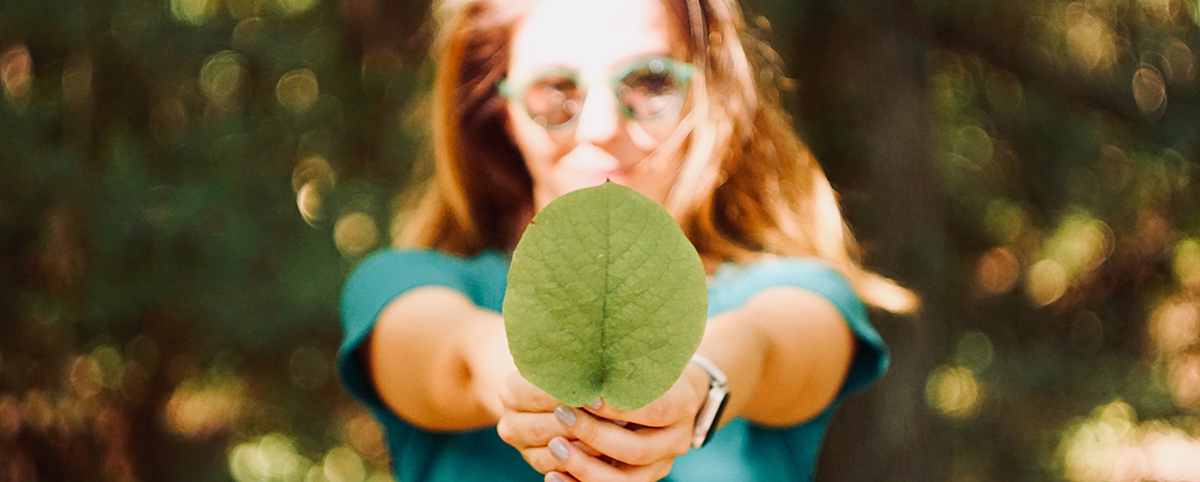
Academy for Global Citizenship students are wholly engaged in their school, their community, and the world around them. That engagement takes many forms, but two stand out: wellness and sustainability.


NPR is launching its first ever podcast for kids focusing on science, technology, inventions, and kid-friendly news stories.

Fostering a love of artistic expression in your kids helps them think more creatively in all areas, and can be a fun family activity. There are many ways to encourage...

Pediatric development researchers looked at the quality and quantity of books shared with kids age six months through 4.5 years to see whether reading more high quality books improved their...

How can schools equip young people for adult life if they don’t know what jobs they might be doing or how they will live? Actually, it’s even worse than that. The...

The first exposure children have to creativity as a concept is through guided play. Though young children are curious by nature, creativity is slightly more structured, and can be cultivated...

The visual arts help young people develop essential creative problem-solving skills that extend far beyond the studio, to reach how they see the opportunities in front of them, no matter...

Absent of toys, kids have the chance to create their own games and pursue their own ideas. In toy-free time children don’t play with finished toys, rather they develop their...
At its core, Logan is all about whole education. The school’s approach is to engage students through their own, self-identified interests and passions.

Our society will likely become more polarized politically. It is vital that children have the tools to navigate this new world as they move into adolescence and adulthood. To accomplish...

“There are so many ways to bring science home and get your kids excited about it. By exposing our kids to opportunities at home and school, we are helping them...
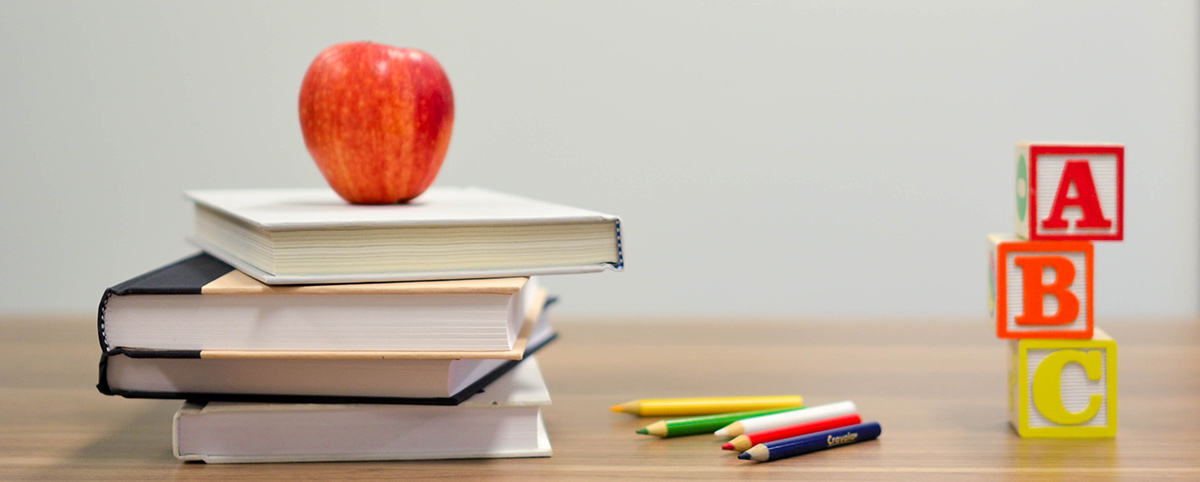
Children’s early exposure to a rich set of language practices can set in motion the processes that they use for learning to read, including the vocabulary and background knowledge necessary...

The Studio of Engaging Math in Boston helps children figure out mathematical principles for themselves rather than spoon-feeding them. Curriculum at the school is based on Russian teaching traditions that...

Allowing children to fail is an important aspect of the innovation class at Bricolage Academy.

Bricolage Academy in New Orleans views diversity as a means toward a bigger end: advancing real equity for all kids.
Researchers have found connections between learning a musical instrument and improved academic outcomes. One study led by Nina Kraus, a professor and neuroscientist at Northwestern University, found that music instruction improves children’s...
An innovative public charter school in San Francisco blends rigor and passion in inquiry-based learning

In this technology obsessed world, some schools believe kids learn best when they connect to each other, their teachers, the natural world, and materials they can touch and feel.

“How do we encourage our students to be good people? You start with the heart and you go from there.”

A school with authentic passion-based learning, crafted by and for each student.

More than many schools we’ve visited, MUSE embraces all of the B4Kids domains, and integrates them to great effect.

“Here we develop the thought life, feeling life, and will life. We try to bring these three aspects of being into balance.”

Eurythmy: language and mathematics in movement at the Waldorf School.

The Waldorf School: “We educate the will and the human being.”
How does Anansi Charter School embody whole child education? Two veteran teachers shared their thoughts.
Anansi places a great deal of emphasis on social-emotional learning, and in building a caring, trusting community where students and teachers treat each other respectfully, where bullying is non-existent, and...
At Anastasis Academy, the school year begins with two days of one-on-one meetings between students and teachers to assess a student’s preferred learning style, brain dominance (right or left) and...
In a school that focuses on providing each child with an education based on his or her passions, strengths, and learning style, a one-size-fits-all report card makes little sense.
Located in Centennial, Colorado, just south of Denver, Anastasis Academy is a 56-student, K-8 private Christian school that has achieved worldwide recognition in the five years since its founding. Anastasis’s...

It’s not often that you find an intimate community inside a monolithic public middle school building, but there are exceptions, and Creative Challenge Community (C3) is one.

The search for schools that embody at least some facets of whole-child education can occasionally find gold in the unlikeliest places.
October 25, 2020
This pandemic has brought to light what many people have known for some time: how crucial it is for us to develop social and emotional skills in our kids. What some people have dubbed “soft skills” are in fact foundational building blocks for developing students who can face a constantly changing world.
This pandemic has brought to light what many people have known for some time: how crucial it is for us to develop social and emotional skills in our kids. What some people have dubbed “soft skills” are in fact foundational building blocks for developing students who can face a constantly changing world.
Beginnings and endings are not finite moments at the start or end of segments of our lives, but instead they are moments of transition that help move us from one stage of our lives to another.
An expert rethinks her blanket objection to giving kids too much time on screens.
Children are social creatures. Spending time with their peers, learning how to navigate personal dynamics and dramas, is an essential part of growing up.

Psychiatrist John C. Panepinto shares three parenting tips for developing emotional intelligence and resilience.
Compositive Primary Director of Inquiry Clare Hammoor explores how questions from young people signal both a wondering about the world and a sense of wonder that the everyday world can...
Heather Mock, Compositive Primary Head of School, shares the lessons she’s learned as a parent about accepting and encouraging your kids to be themselves.
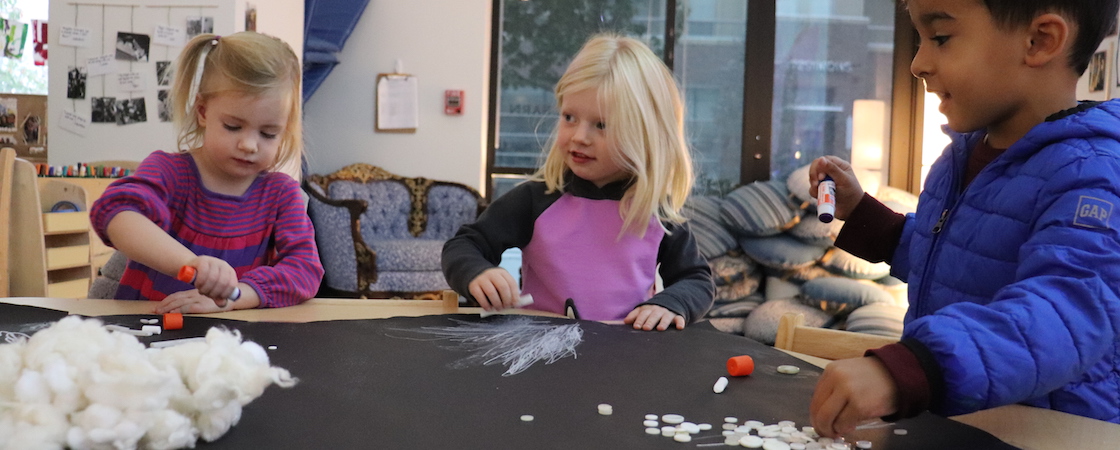
Director of Inquiry, Clare Hammoor, visits the University of Denver to join the "Theatre Imagination" class and describes a collective observance of how process moments of wild play.
Studies show that more people suffer from anxiety today. While we often associate stress and anxiety with adults, children are also affected.

Psychology Today explains why teaching nutrition doesn’t result in better eating habits, but teaching self-regulation and emotion management skills does.
Head of School Heather Mock shares how the Compositive Primary approach to whole child education nurture health and well-being in our children and gives them a say in what they...
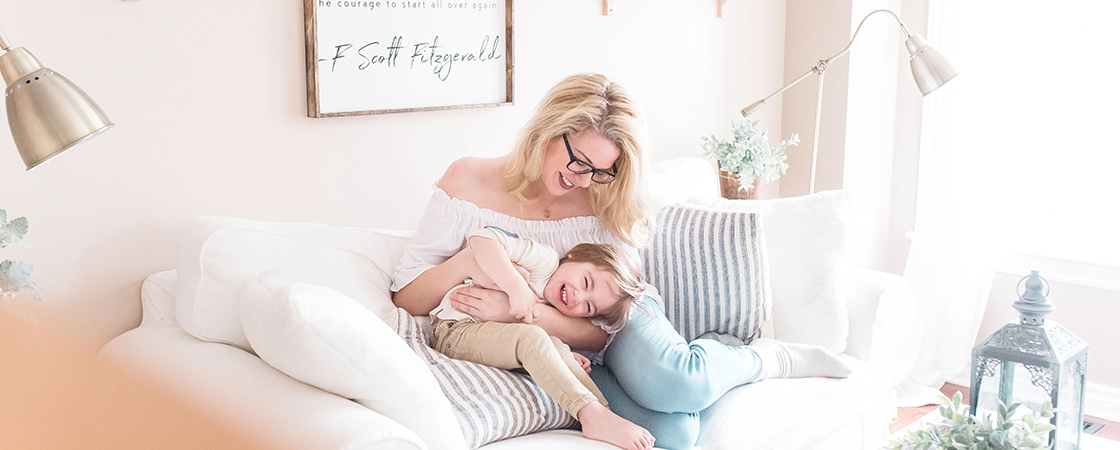
Kids often need words of encouragement on the first day of school. Here are tips from Mother.ly.
As a parent you’re stressed out, worrying that you aren’t doing everything correctly. Here are seven common parenting myths debunked by the WaPo.
By not allowing your kids to learn by failing, you put them at risk for greater failure later in life.
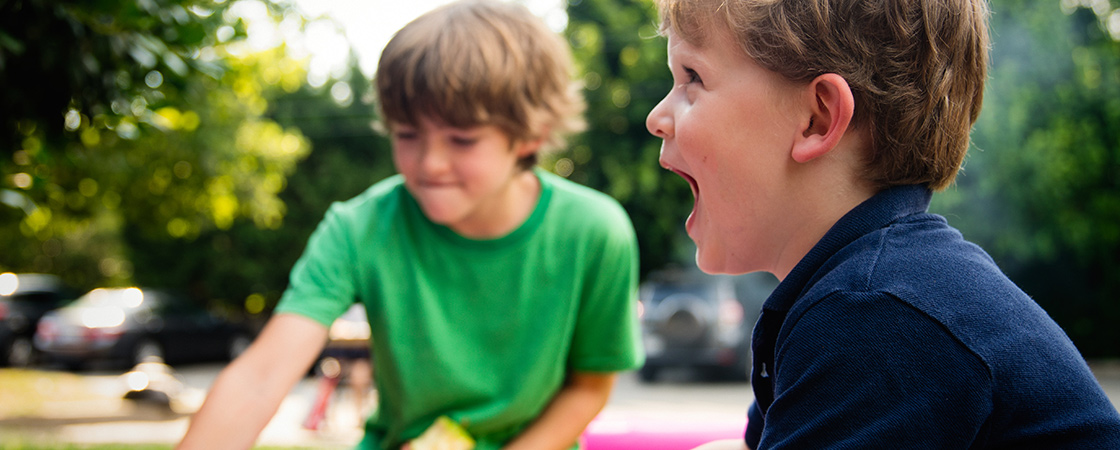
Gender stereotypes can influence identity development. We must show boys how to achieve emotional intimacy to avoid struggles in relationships later on.
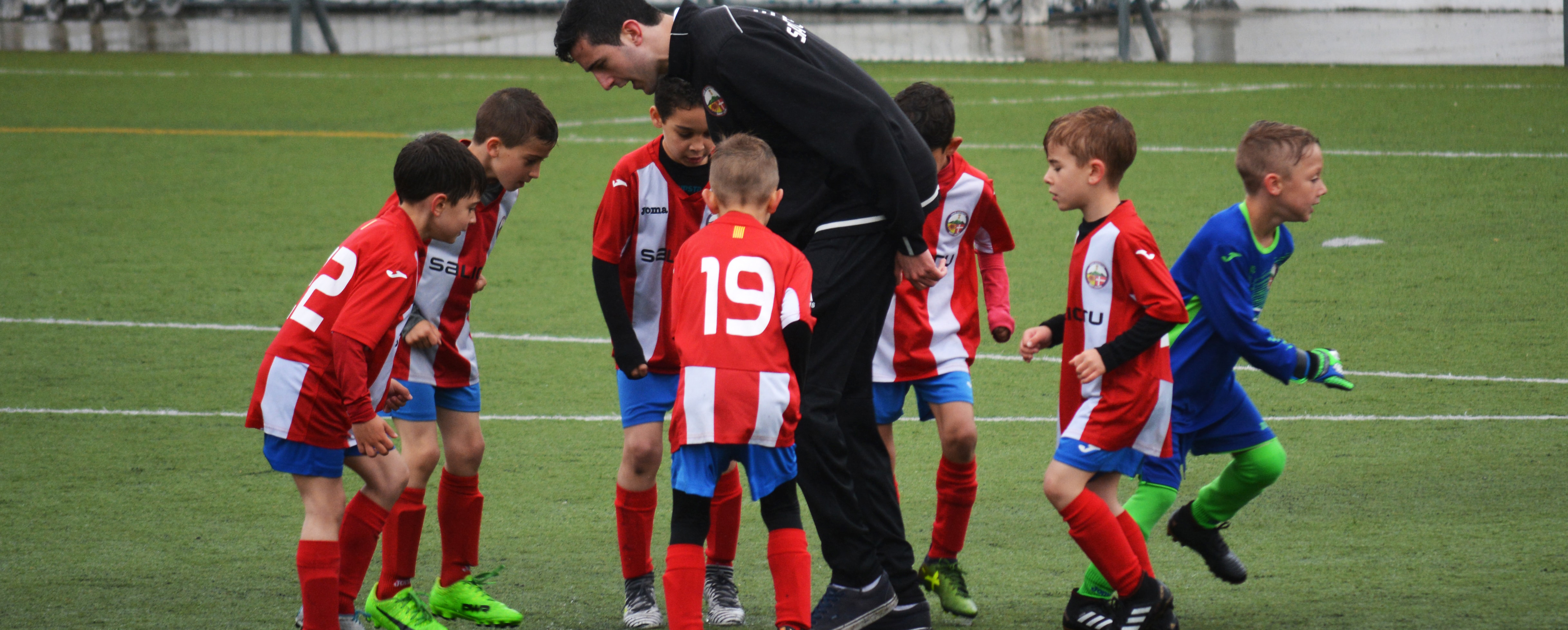
Basic components of team sports, including training, working hard and learning to win and lose, help children develop resilience
If you want to develop your child’s executive functioning skills, ditch the high-tech toys and go old school.

Giving kids freedom helps shed anxiety — theirs and yours.

One Stone’s approach to developing learners who drive their own learning based on their passions is well worth emulating in schools.
A report released by the Aspen Institute stresses the importance of integrating the social, emotional, and academic components of every classroom to enhance learning for all students.

Babies as young as a year old can be taught skills like grit and perseverance by observing adults struggling and then succeeding to complete a task.

Praising a student’s effort rather than innate abilities has been seen as promoting a “growth mindset,” but new research suggests this praise might backfire.
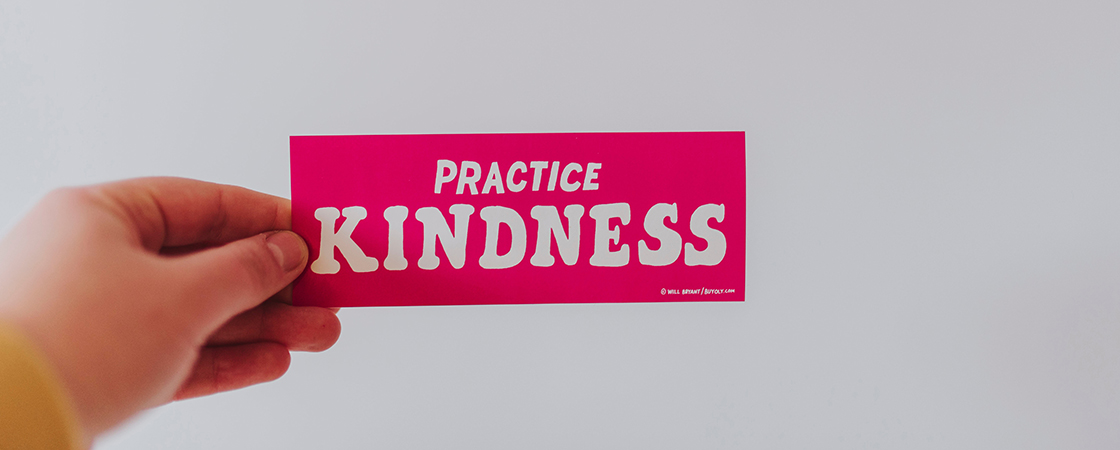
Positive emotions like compassion build both grit and grace. And people who do the best are the people willing to share credit and cooperate.

When we take the time to focus more on creating a warm, loving, rich environment for our students, we allow our students to take shape in their own amazing ways.

Raising a child who cares about how their actions impact others is critical to developing character and maintaining healthy relationships.
The American Academy of Pediatrics advises parents of young children to go for high-quality traditional toys rather than elaborate digital ones.
To some of us, the fact that a debate still rages in corners of the education world about whether cognitive development or social-emotional, physical and other needs should take precedence...
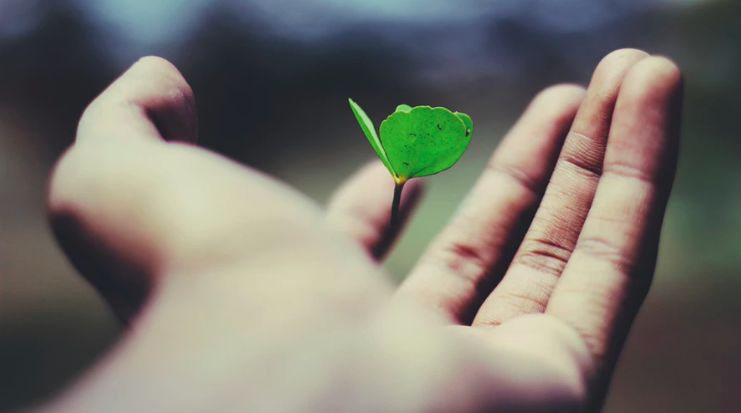
By age three, children are typically developing awareness of other people’s feelings, so it’s the perfect time to introduce children to the joys of helping others.
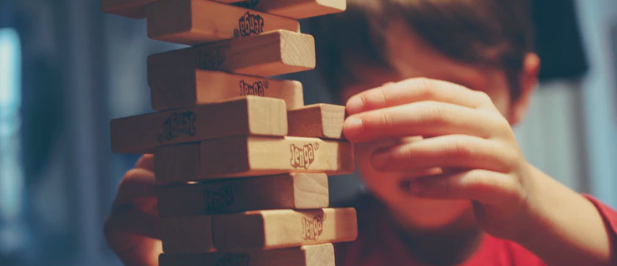
Letting your kids fail and talking to them about it goes a long way.

With Thanksgiving approaching, gratitude is on all of our minds. You may feel grateful for visiting family, for a cozy fire to sit by, or for your mom’s famous stuffing...
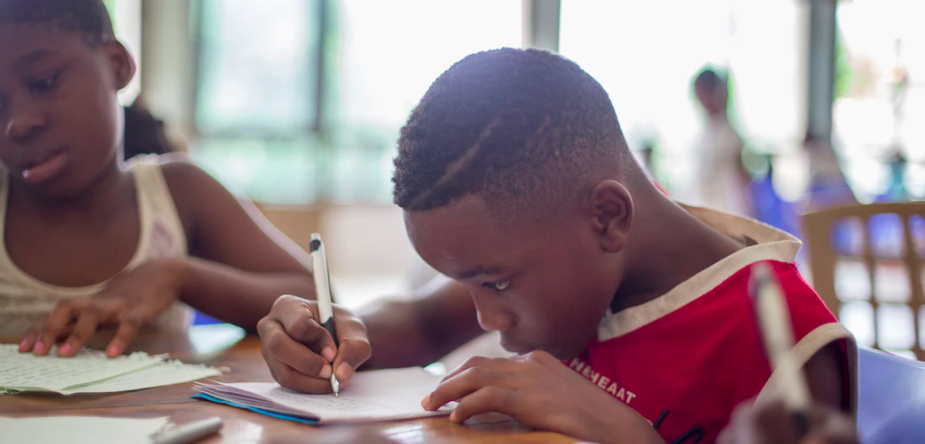
Focus on your child’s abilities, strengths, qualities—things you want to encourage as they help our children become more confident, feel more capable, able to take risks, to rally from mistakes,...
The middle school years are a vital developmental stage, during which our children must learn to navigate choppy waters with as little parental interference as possible. Phyllis L. Fagell, a...
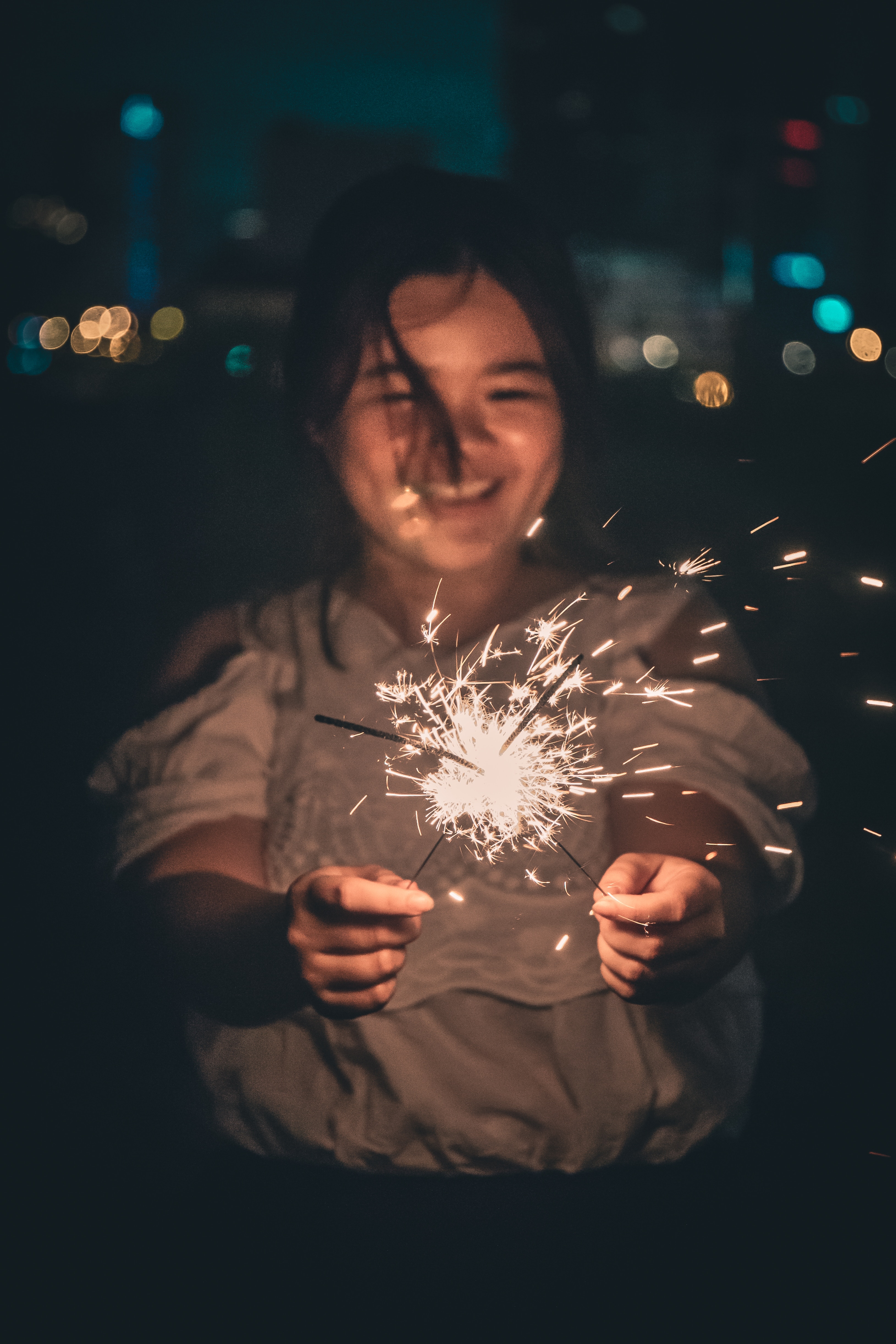
Materialism, especially in children, interferes with overall emotional function and increases the risk of mental health issues.
When you introduce your children to museums, dance and theater, you’re exposing them to more than just a fun extracurricular activity, you’re introducing them to the world of art, culture...
Free-range parenting, a kind of antidote to the helicopter parenting that has plagued our society for the past couple of decades, has become a fad. But for some parents, it’s...
The Washington Post’s excellent parenting column lays out several strategies for taking the struggle out of homework.

New findings provide fascinating insights into the psychology of preschool age children, and the first evidence that sharing under social norms is less emotionally rewarding than sharing voluntarily: Preschool kids...

Intense focus on self-esteem as a goal in and of itself in the 1980s and 1990s has had a long-lasting impact on every aspect of American life. The self-esteem craze...

Anything we want for our children — if we want compassionate communities, compassionate schools — it really begins with each of us individually as parents.

Researchers have found when parents and caregivers talk about their babies’ experiences and what they’re feeling with them in nurturing and supportive ways, we strengthen their ability not only to...
Engaging in philanthropic activity teaches children compassion and empathy.
Academy for Global Citizenship students are wholly engaged in their school, their community, and the world around them. That engagement takes many forms, but two stand out: wellness and sustainability.

“There are a million and one things you will be responsible for teaching your child before they reach adulthood. From taking their first steps to obtaining their first job, as...

With ongoing societal issues like bullying and youth mental health concerns, teaching empathy to children is more important than ever.
Since the middle of the last century, self-esteem has been touted as the most important character trait in young people to ensure a happy, fulfilling life. However, research shows that...
At its core, Logan is all about whole education. The school’s approach is to engage students through their own, self-identified interests and passions.
Our society will likely become more polarized politically. It is vital that children have the tools to navigate this new world as they move into adolescence and adulthood. To accomplish...

“As parents, teachers and caregivers, we all want to raise resilient kids — to develop their strength so they can overcome obstacles big and small. Resilience leads to better health, greater happiness and...

Buncombe County Schools Administrators have decided that closing the gaps in social-emotional skills would be equally important as closing academic skills gaps — in part because improving social-emotional skills would...

At Bricolage no one shies away from honest talk about race, privilege, and inequities. Kids who attend Bricolage will not graduate believing the world is colorblind.
Allowing children to fail is an important aspect of the innovation class at Bricolage Academy.
Bricolage Academy in New Orleans views diversity as a means toward a bigger end: advancing real equity for all kids.
Researchers have found connections between learning a musical instrument and improved academic outcomes. One study led by Nina Kraus, a professor and neuroscientist at Northwestern University, found that music instruction improves children’s...

Volunteering as a family can help children become more compassionate and engaged with others. Engagement with causes greater than the self help children develop a sense of purpose and meaning...
An innovative public charter school in San Francisco blends rigor and passion in inquiry-based learning
In this technology obsessed world, some schools believe kids learn best when they connect to each other, their teachers, the natural world, and materials they can touch and feel.
If parents promote the idea that success is primarily determined by variables within our child’s control, even such noble things as skill and effort, we are ignoring the overriding influence...
“How do we encourage our students to be good people? You start with the heart and you go from there.”
More than many schools we’ve visited, MUSE embraces all of the B4Kids domains, and integrates them to great effect.
“Here we develop the thought life, feeling life, and will life. We try to bring these three aspects of being into balance.”
The Waldorf School: “We educate the will and the human being.”

In her 24 years running Anansi Charter School, Michele Hunt has refined a highly effective approach to Whole Heart education by combining the best features of a variety of programs.
How does Anansi Charter School embody whole child education? Two veteran teachers shared their thoughts.
Anansi places a great deal of emphasis on social-emotional learning, and in building a caring, trusting community where students and teachers treat each other respectfully, where bullying is non-existent, and...
At Anastasis Academy, the school year begins with two days of one-on-one meetings between students and teachers to assess a student’s preferred learning style, brain dominance (right or left) and...
In a school that focuses on providing each child with an education based on his or her passions, strengths, and learning style, a one-size-fits-all report card makes little sense.
Located in Centennial, Colorado, just south of Denver, Anastasis Academy is a 56-student, K-8 private Christian school that has achieved worldwide recognition in the five years since its founding. Anastasis’s...
It’s not often that you find an intimate community inside a monolithic public middle school building, but there are exceptions, and Creative Challenge Community (C3) is one.
The search for schools that embody at least some facets of whole-child education can occasionally find gold in the unlikeliest places.
July 28, 2020
An expert rethinks her blanket objection to giving kids too much time on screens.
An expert rethinks her blanket objection to giving kids too much time on screens.
Socializing and group activities might be problematic this summer, but there are still plenty of great outdoor activities you can enjoy with your children
Children are social creatures. Spending time with their peers, learning how to navigate personal dynamics and dramas, is an essential part of growing up.
Balancing being both parent and teacher can be stressful. Here are six tips to help you manage stress and ensure that your child is getting as much educational benefit as...
Heather Mock, Compositive Primary Head of School, shares the lessons she’s learned as a parent about accepting and encouraging your kids to be themselves.
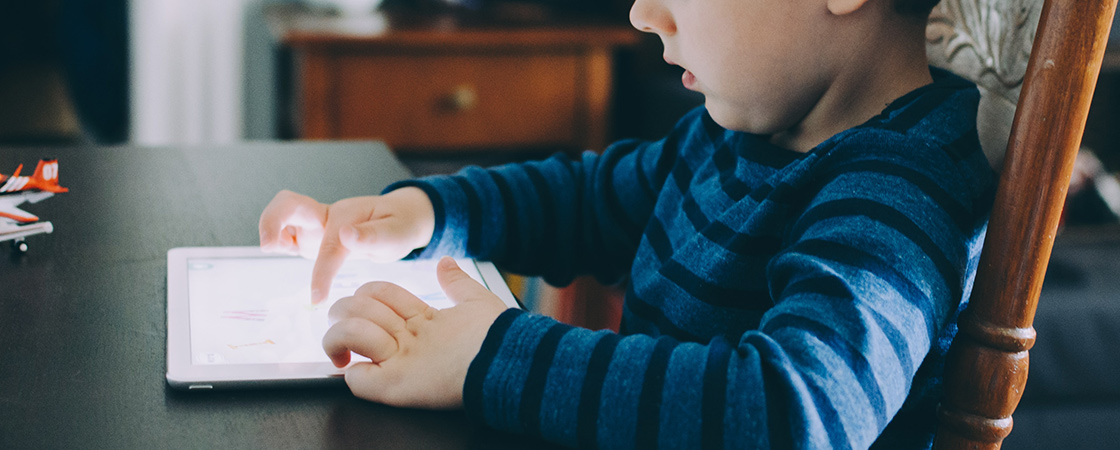
Screen time can come in many forms, and not all of it is bad for kids.
An interview with pediatric occupational therapist Angela Hanscom on TimberNook’s approach to unstructured outdoor play.

From conquering specific fears to addressing chronic worry, these stories make child anxiety much easier to comprehend.
Studies show that more people suffer from anxiety today. While we often associate stress and anxiety with adults, children are also affected.
Psychology Today explains why teaching nutrition doesn’t result in better eating habits, but teaching self-regulation and emotion management skills does.
Head of School Heather Mock shares how the Compositive Primary approach to whole child education nurture health and well-being in our children and gives them a say in what they...
By not allowing your kids to learn by failing, you put them at risk for greater failure later in life.
Gender stereotypes can influence identity development. We must show boys how to achieve emotional intimacy to avoid struggles in relationships later on.

The premise at Namaste Charter is simple: Healthy, active kids do better in school.
Basic components of team sports, including training, working hard and learning to win and lose, help children develop resilience

Emotional stress can be difficult for a child to express. Mental health experts advocate children keeping a journal to let out these emotions safely.
Giving kids freedom helps shed anxiety — theirs and yours.
This episode of the “Hidden Brain” podcast explores what it means to parent like a carpenter or a gardener and how that affects growing children.
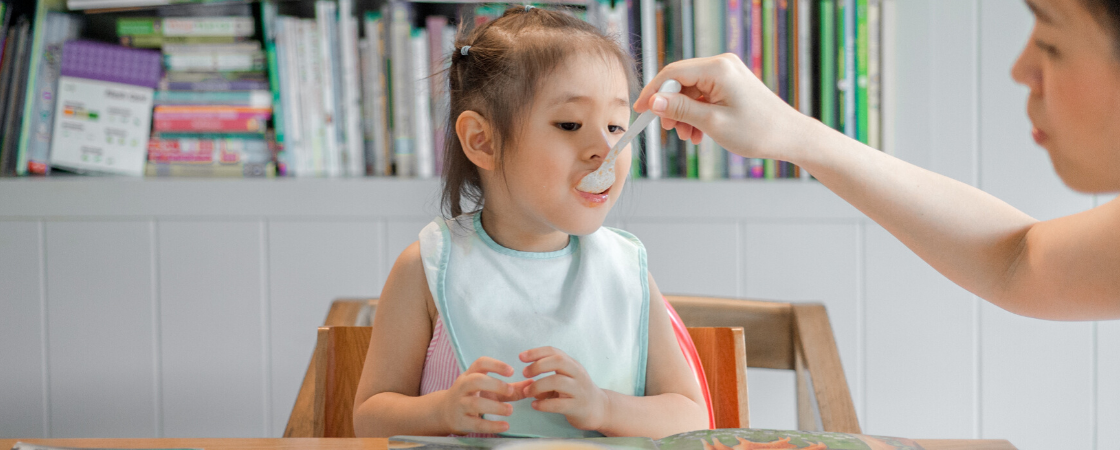
This article from the Washington Post identifies parenting styles that can influence children’s eating habits.
The American Academy of Pediatrics advises parents of young children to go for high-quality traditional toys rather than elaborate digital ones.
The freedom to move and play outside inspires creativity and improved brain function
To some of us, the fact that a debate still rages in corners of the education world about whether cognitive development or social-emotional, physical and other needs should take precedence...

Developing good physical activity habits needs to begin at a young age, and last through a lifetime.
Finland performs at or near the top of the Program for International Student Assessment (PISA) exams since the exam came into existence in 2000. PISA tests students every three years and...
It’s pleasant to imagine that all children are well-adjusted, happy little creatures, soaking up knowledge and experiencing live joyfully. While that’s the case with many kids, the sad truth in...
The middle school years are a vital developmental stage, during which our children must learn to navigate choppy waters with as little parental interference as possible. Phyllis L. Fagell, a...
Academy for Global Citizenship students are wholly engaged in their school, their community, and the world around them. That engagement takes many forms, but two stand out: wellness and sustainability.

“There’s so much value in kids creating play schemes on their own,” says Angela Hanscom, an occupational therapist and expert on childhood concentration and fine motor skill development. “Kids who...
With ongoing societal issues like bullying and youth mental health concerns, teaching empathy to children is more important than ever.

If you would like your child to be a healthy eater, one of the smartest ways to achieve this is to make sure he or she sees you being a...
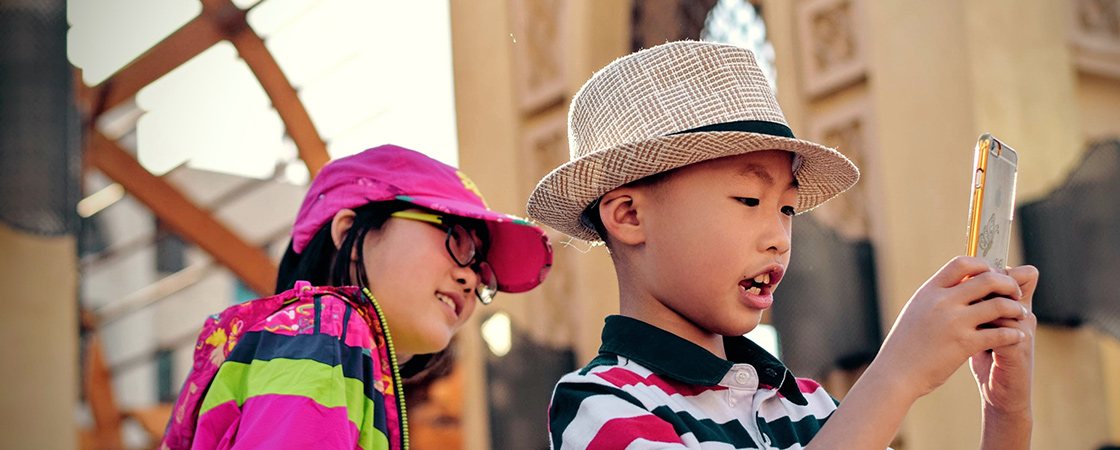
New research suggests smartphones can increase risk of attention and disruptive behavior issues in children.

Too little physical activity among children now and later will translate into heart attacks, diabetes, cancer, and billions of dollars of avoidable health care costs. The importance of establishing healthy...

New findings in a study on the timing of lunch and recess could help schools develop policies to promote healthy eating and exercise habits for kids, study authors say. “Overall,...
Volunteering as a family can help children become more compassionate and engaged with others. Engagement with causes greater than the self help children develop a sense of purpose and meaning...

Sustainability is more than a buzzword at MUSE.
More than many schools we’ve visited, MUSE embraces all of the B4Kids domains, and integrates them to great effect.
“Here we develop the thought life, feeling life, and will life. We try to bring these three aspects of being into balance.”
Eurythmy: language and mathematics in movement at the Waldorf School.
The Waldorf School: “We educate the will and the human being.”
Anansi places a great deal of emphasis on social-emotional learning, and in building a caring, trusting community where students and teachers treat each other respectfully, where bullying is non-existent, and...
Located in Centennial, Colorado, just south of Denver, Anastasis Academy is a 56-student, K-8 private Christian school that has achieved worldwide recognition in the five years since its founding. Anastasis’s...
It’s not often that you find an intimate community inside a monolithic public middle school building, but there are exceptions, and Creative Challenge Community (C3) is one.
The search for schools that embody at least some facets of whole-child education can occasionally find gold in the unlikeliest places.
March 10, 2020
Psychiatrist John C. Panepinto shares three parenting tips for developing emotional intelligence and resilience.
Psychiatrist John C. Panepinto shares three parenting tips for developing emotional intelligence and resilience.
Head of School Heather Mock shares how the Compositive Primary approach to whole child education nurture health and well-being in our children and gives them a say in what they...
Positive emotions like compassion build both grit and grace. And people who do the best are the people willing to share credit and cooperate.
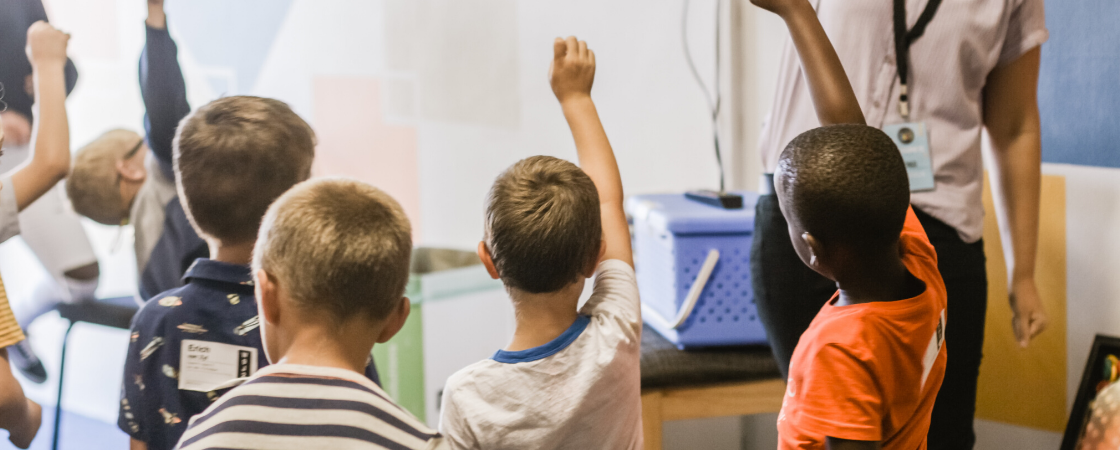
STEM Highlands Ranch is an example of how technology can be a great bridge between disparate communities, making the world a smaller place, and bringing the Compositive capacities alive in...
To some of us, the fact that a debate still rages in corners of the education world about whether cognitive development or social-emotional, physical and other needs should take precedence...
By age three, children are typically developing awareness of other people’s feelings, so it’s the perfect time to introduce children to the joys of helping others.

For those marginalized by the system—economically, racially, and ethnically—believing the system is fair puts them in conflict with themselves and can have negative consequences.

All parents want their children to be successful. Parents naturally want kids to be viewed as courageous leaders, willing to take on any challenge. However, instilling leadership traits in children takes...

Design thinking is a method of problem-solving that relies on empathy, observation and careful listening. Design thinkers don’t believe in one right solution, so they continuously generate and test ideas...

“The study of religion from an academic, non-devotional perspective in primary, middle, and secondary school is critical for decreasing religious illiteracy and the bigotry and prejudice it fuels. [This knowledge...

“Life for families around the world isn’t always as easy; sometimes families don’t feel safe or like they fit in. These books may help children better understand their neighbors, whose...

“Recognizing bias in news stories is one form of media literacy. Spotting when the news is totally fabricated is something else entirely. How can teachers help students tell fact from...

Teachers can use real-world articles and topics to teach students literacy skills, while at the same time developing a thoughtful and skeptical approach to the media they consume.
Academy for Global Citizenship students are wholly engaged in their school, their community, and the world around them. That engagement takes many forms, but two stand out: wellness and sustainability.
At its core, Logan is all about whole education. The school’s approach is to engage students through their own, self-identified interests and passions.
Our society will likely become more polarized politically. It is vital that children have the tools to navigate this new world as they move into adolescence and adulthood. To accomplish...
At Bricolage no one shies away from honest talk about race, privilege, and inequities. Kids who attend Bricolage will not graduate believing the world is colorblind.
Volunteering as a family can help children become more compassionate and engaged with others. Engagement with causes greater than the self help children develop a sense of purpose and meaning...
An innovative public charter school in San Francisco blends rigor and passion in inquiry-based learning
“How do we encourage our students to be good people? You start with the heart and you go from there.”
Sustainability is more than a buzzword at MUSE.
More than many schools we’ve visited, MUSE embraces all of the B4Kids domains, and integrates them to great effect.
The Waldorf School: “We educate the will and the human being.”
How does Anansi Charter School embody whole child education? Two veteran teachers shared their thoughts.
Anansi places a great deal of emphasis on social-emotional learning, and in building a caring, trusting community where students and teachers treat each other respectfully, where bullying is non-existent, and...
In a school that focuses on providing each child with an education based on his or her passions, strengths, and learning style, a one-size-fits-all report card makes little sense.
Located in Centennial, Colorado, just south of Denver, Anastasis Academy is a 56-student, K-8 private Christian school that has achieved worldwide recognition in the five years since its founding. Anastasis’s...
Creativity Challenge Community places a high value on creating a strong sense of community. School staff is far more intentional about community-building than what you might see at a more...
It’s not often that you find an intimate community inside a monolithic public middle school building, but there are exceptions, and Creative Challenge Community (C3) is one.
The search for schools that embody at least some facets of whole-child education can occasionally find gold in the unlikeliest places.